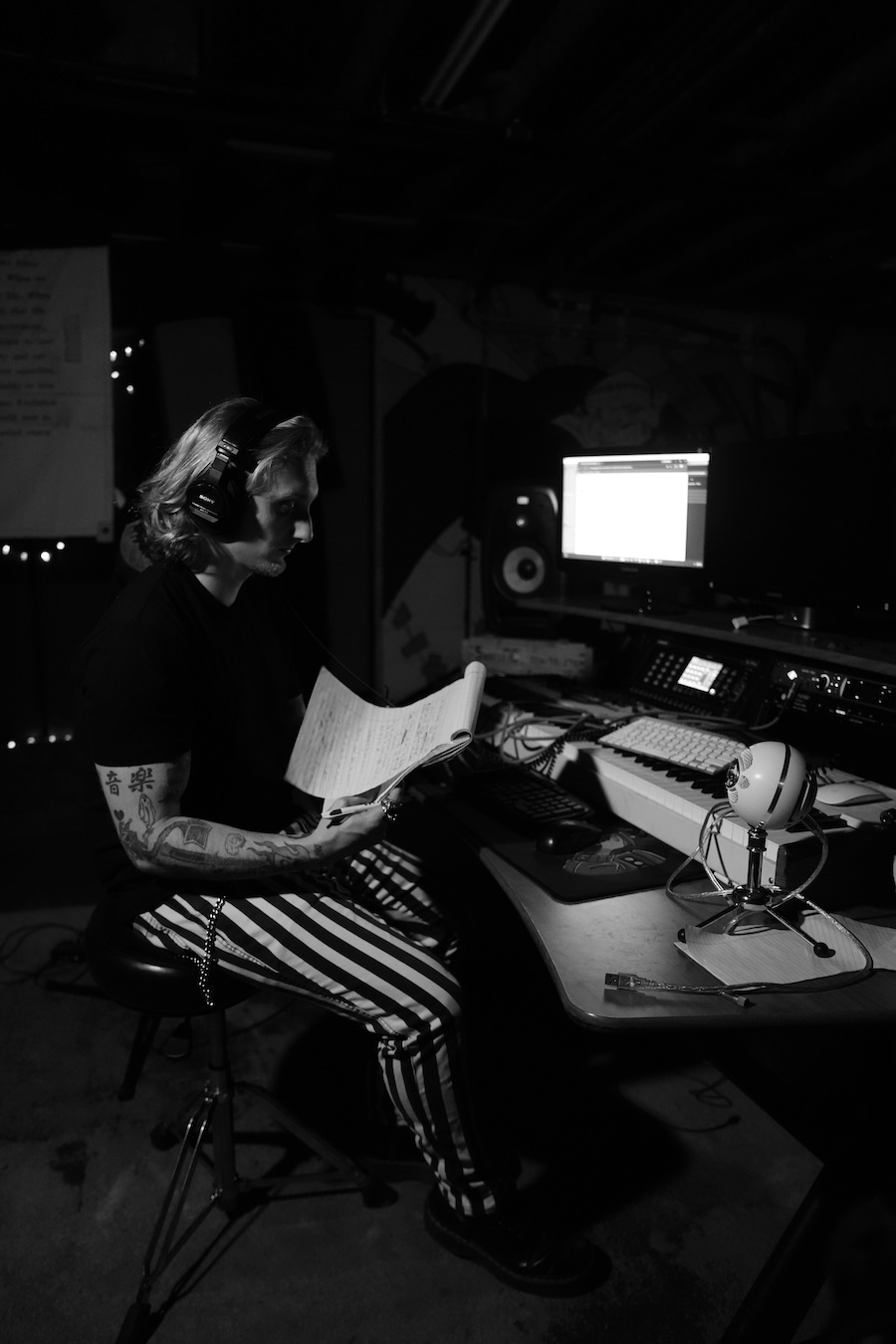
Intervista a Love Ghost (“Thirteen”)
“Thirteen” è probabilmente il disco più vulnerabile che abbia mai realizzato. “Thirteen” (tredici) è l’età che avevo quando fui espulso da scuola, il momento in cui ho iniziato a sentirmi fuori posto. Sono le tue parole per presentare l’album. Tutto questo mi fa pensare inevitabilmente al grunge. Che importanza ha avuto nella tua vita il grunge?
Sì, il grunge è stato il mio primo genere musicale preferito e una componente fondamentale nel definire ciò che poi è diventato Love Ghost. Gli Alice in Chains, i Nirvana e l’intera scena di Seattle degli anni ’90 sono stati per me una grande fonte di ispirazione. Per quanto mi riguarda, il grunge ha definito il mio mondo tra i 12 e i 14 anni.
Come hai conosciuto Mike Summers? Come è collaborare con lui?
L’ho conosciuto tramite i miei manager dell’epoca, nel 2021; collaborare con Mike Summers è fantastico: è di grande talento e sa davvero come creare ottima musica.
In uno dei tuoi live streaming c’era Reverie. Come l’hai conosciuta? Quali sono i punti di forza di questa artista per te? Perché collaborare con lei?
Ho conosciuto Reverie durante una sessione in studio con RA the Rugged Man. Come artista possiede molti grandi punti di forza ma è soprattutto la sua capacità di raccontare la propria storia e, attraverso di essa, di entrare in sintonia con le persone, a essere davvero speciale. È una poetessa e autrice di testi straordinaria.
I Love Ghost nel tempo hanno visto diversi cambi di formazione. Cosa è stato perso e cosa è stato guadagnato nel tempo?
Sì, nel corso del mio percorso ho sicuramente perso degli amici ed è stato difficile da affrontare. Quando la formazione cambia, inevitabilmente cambiano anche gli spettacoli. Ma, arrivato a questo punto, ho molta fiducia nei ragazzi che ho con me adesso.
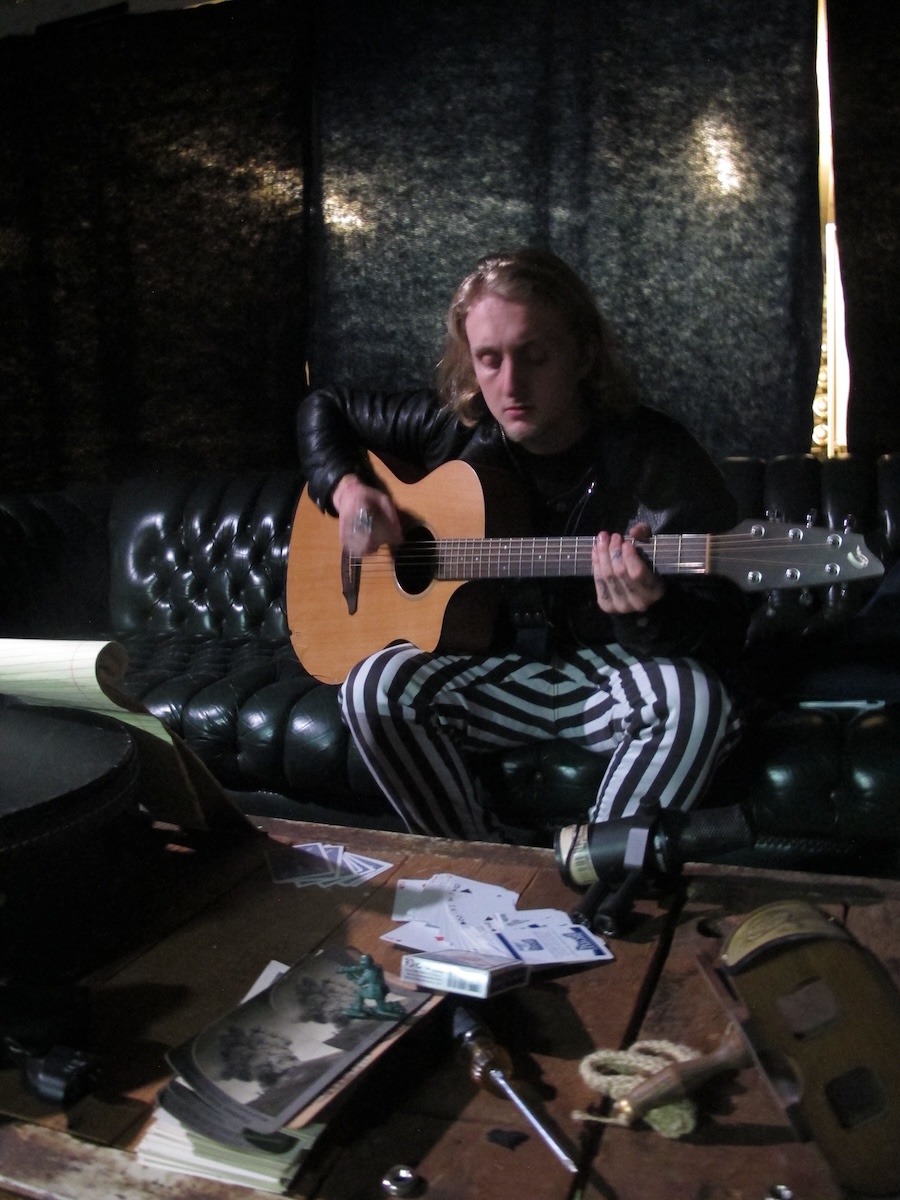
Thirteen è un disco tanto introspettivo. Puoi commentare queste mie parole?
«Thirteen» è probabilmente il disco più personale che abbia mai realizzato. Il titolo fa riferimento all’età in cui fui espulso da scuola, un momento che ha avuto un impatto duraturo sulla mia vita. Tredici anni sono un’età estremamente formativa: inizi a capire chi sei, ma non hai ancora la prospettiva necessaria per dare un senso a tutto ciò che stai vivendo. Il disco torna su quel periodo della mia vita e su come abbia plasmato la persona che sono diventato. Non mi interessava limitami a documentare il passato, quanto piuttosto comprendere in che modo certe esperienze restino con noi, a volte in forme che non cogliamo appieno se non molto tempo dopo. In tutto l’album si percepisce un profondo sguardo rivolto all’interiorità, quasi come un dialogo tra la me di un tempo e quella di oggi. Realizzarlo non è stato sempre facile, ma affrontare con onestà quelle parti di me era fondamentale. Credo che sia proprio questa vulnerabilità a conferire profondità al disco e, spero, a consentire a chi ascolta di trovarvi un proprio significato.
Ci puoi parlare della genesi di Thirteen. Come hai messo insieme le canzoni? Come sono nate? Con quale spirito?
La genesi di “Thirteen” è nata, in realtà, da un accumulo di idee, ricordi ed emozioni che, col tempo, hanno iniziato a far parte di uno stesso mondo. Non sono partito con un concetto rigido per l’album; i brani si sono sviluppati in modo organico: alcuni sono scaturiti da ricordi molto precisi, altri da sensazioni che faticavo a esprimere a parole. Man mano che davo forma al disco, ho notato dei temi ricorrenti: l’alienazione, l’identità, il processo di crescita, le dinamiche generazionali e la tensione tra chi siamo davvero e chi il mondo si aspetta che siamo. Questi elementi sono diventati il tessuto connettivo dell’album. Il titolo ha offerto un punto di riferimento, e ho iniziato a concepire i brani come frammenti di un’unica storia di formazione. Volevo che il processo creativo fosse istintivo, piuttosto che eccessivamente calcolato. Alcuni pezzi risultano piuttosto crudi e intimi, altri più aggressivi o surreali. Non mi sono preoccupato di far rientrare tutto, in modo ordinato, in un unico genere o categoria emotiva; volevo che il disco riflettesse le contraddizioni dell’essere umani. In definitiva, “Thirteen” è nato all’insegna dell’onestà e della sperimentazione. Mi sono concesso la libertà di esplorare temi scomodi, di correre rischi creativi e di lasciare che le canzoni prendessero la forma che sentivo più giusta. In questo senso, comporre l’album è stato quasi come mettere insieme una raccolta di ricordi, anziché seguire una formula tradizionale di scrittura dei brani.
Non so quante volte ho ascoltato Pointless. “Every road leads back to Rome” e “We spend our whole lives mourning versions of ourselves That never got the chance to exist”. Come sono nate queste parole. Cosa ti ha ispirato?
Onestamente, mi sono ispirato alla mia vita, alla sensazione di non sapere dove stessi andando né in che direzione stesse procedendo il mio percorso. «Tutte le strade portano a Roma» è un proverbio storico che rimanda all’Impero romano, ma nella cultura di internet ha assunto anche il significato che ogni storia d’amore finisce con un crepacuore; mi è sembrato appropriato inserirlo nel brano. Il secondo passaggio che hai citato riguarda invece la sensazione di non riuscire a esprimere appieno il proprio potenziale, o il chiedersi come sarebbe potuta essere la propria vita se solo alcune cose fossero andate diversamente.
“Thirteen” è anche un disco oltremodo maturo. Dal punto di vista di maturità artistica come sono cambiati i Love Ghost nel tempo?
Credo che l’evoluzione più grande sia stata imparare ad avere fiducia nella nostra identità artistica. Quando sono nati i Love Ghost, ero molto giovane e gran parte della musica nasceva da uno stato emotivo immediato; c’era una sorta di urgenza. Cercavo di dare un senso al mondo che mi circondava e scrivere canzoni è diventato un modo per elaborare aspetti che, altrimenti, non avrei saputo come comunicare. Col tempo, ho iniziato ad approcciarmi alla scrittura, alla produzione e alla narrazione in modo più consapevole. Inoltre, mi interessa sempre meno rientrare in un genere specifico: abbiamo esplorato di tutto, dal grunge e dall’emo all’industrial rock, all’alternative hip-hop e alla musica elettronica. Ho capito che queste influenze non devono necessariamente competere tra loro; possono coesistere e diventare parte di un’identità ben definita. Credo anche che la maturità derivi dall’imparare a sentirsi a proprio agio con le contraddizioni: si può essere vulnerabili e combattivi, sensibili e aggressivi, a volte persino all’interno della stessa canzone. Mi preoccupo meno di presentare una determinata versione di me stesso e sono più interessato a creare qualcosa che risulti autentico. “Thirteen” rappresenta un passo significativo in questo percorso evolutivo. È un disco in cui, a mio avviso, abbiamo sviluppato una prospettiva più solida, senza però perdere quell’intensità emotiva che ci ha accompagnato fin dall’inizio. Non credo che la maturità artistica significhi diventare meno ribelli o meno emotivi; per me, significa avere un maggiore controllo sul modo in cui si esprimono questi aspetti.
Come è stato il tour europeo? Puoi descrivere questo tour in poche righe?
È stata indubbiamente una faticaccia, ma ha offerto – e offre tuttora – dei momenti davvero stravaganti e interessanti.
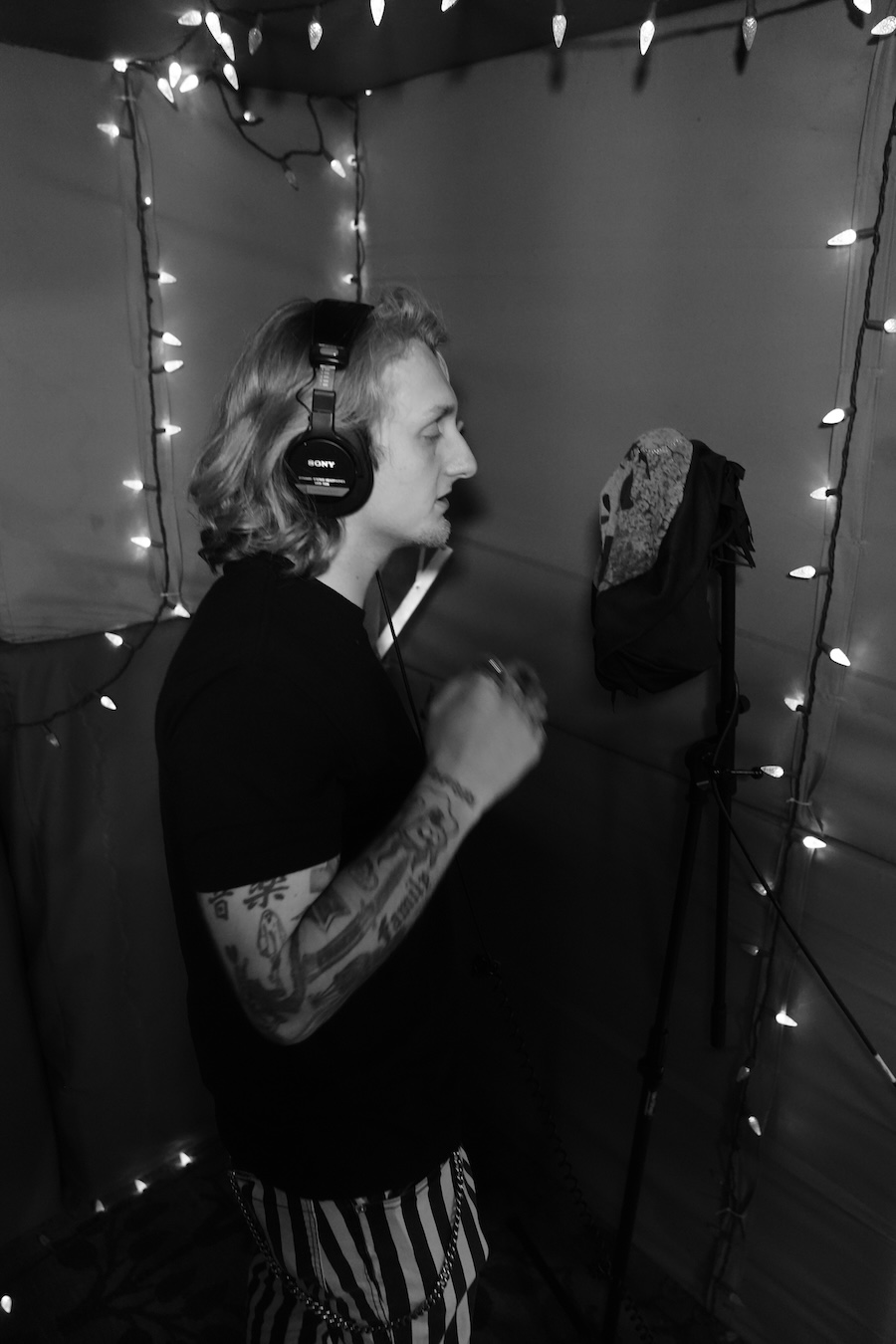
English version:
Thirteen” is arguably the most vulnerable record you have ever made. “Thirteen” refers to the age you were when you were expelled from school—the moment you began to feel out of place. These are the words you used to introduce the album. This inevitably brings grunge to mind; what role did grunge play in your life?
Yeah, grunge was my first favorite genre of music and an integral part of defining what love ghost eventually became. Alice In Chains and Nirvana and the entire Seattle movement of the 90s were super inspiring to me. For me grunge defined my world from the ages of 12-14.
How did you meet Mike Summers, and what is it like to collaborate with him?
I met him through my managers at the time back in 2021, to collaborate with Mike Summers is amazing, he is super talented and really knows how to make some great music.
Reverie appeared in one of your live streams. How did you meet her? What do you consider to be her greatest strengths as an artist, and what led to your collaboration?
I met Reverie at a studio session with RA the Rugged Man, as an artist she has many great strengths but especially her ability to tell her story and connect with people through it is really special. She is an amazing poet and lyricist.
Love Ghost has seen several lineup changes over time. What has been lost, and what has been gained along the way?
Yeah, I’ve definitely lost friends throughout my journey and that’s been hard to deal with. As the line-up changes , the shows change for sure . But I’m at a place right now where I’m really confident with the guys that I do have.
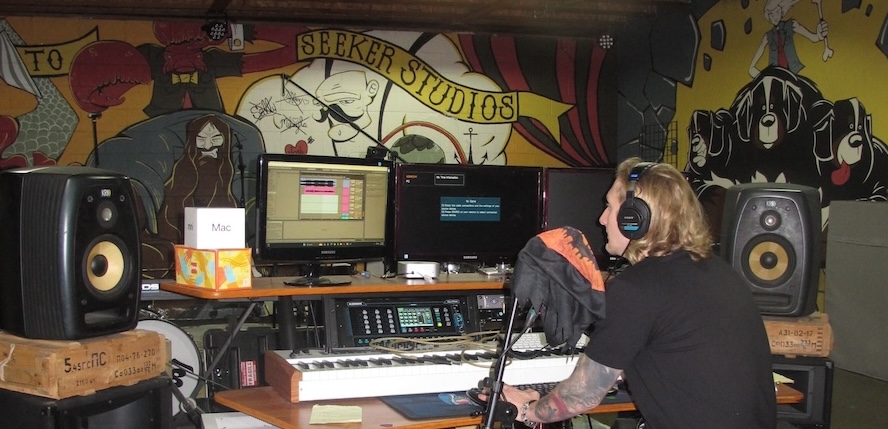
“Thirteen” is a deeply introspective record. Could you share your thoughts on that?
Thirteen” is probably the most personal record I’ve made. The title refers to the age I was expelled from school, a moment that had a lasting impact on my life. Thirteen is such a formative age; you’re beginning to develop an understanding of who you are, but you don’t yet have the perspective to make sense of everything you’re experiencing. The record revisits that period of my life and the ways it has shaped the person I’ve become. I wasn’t interested in simply documenting the past, but in understanding how certain experiences stay with us, sometimes in ways we don’t fully recognise until much later. There’s a real sense of looking inward throughout the album, almost like a dialogue between my younger self and who I am today. It wasn’t always comfortable to make, but there was something important about confronting those parts of myself honestly. I think that vulnerability is what gives the record its depth, and hopefully allows listeners to find their own meaning within it.
Can you tell us about the genesis of “Thirteen”? How did you assemble the songs? How did they come to be, and in what spirit were they created?
The genesis of “Thirteen” was really an accumulation of ideas, memories, and emotions that eventually began to feel like they belonged to the same world. I didn’t set out with a rigid concept for the album. The songs developed organically, some coming from very specific memories and others from feelings I had difficulty putting into words. As I started putting the record together, I noticed recurring themes: alienation, identity, growing up, generational patterns, and the tension between who you are and who the world expects you to be. That became the connective tissue of the album. The title gave everything a kind of anchor, and I began to see the songs as different fragments of the same coming-of-age story. I wanted the creative process to be instinctive rather than overly calculated. Some songs are quite raw and intimate, while others are more aggressive or surreal. I wasn’t particularly concerned with making everything fit neatly into one genre or emotional category. I wanted the record to reflect the contradictions of being human. Ultimately, “Thirteen” was created in a spirit of honesty and experimentation. I gave myself permission to explore uncomfortable subjects, take creative risks, and let the songs exist in whatever form felt right. In that sense, assembling the album was almost like piecing together a collection of memories rather than following a traditional songwriting formula.
I’ve lost count of how many times I’ve listened to “Pointless.” Lines like “Every road leads back to Rome” and “We spend our whole lives mourning versions of ourselves that never got the chance to exist”—how did these lyrics come about? What inspired them?
Honestly it was inspired by my own life and feeling like I didn’t know where and how it was going. Every road leads back to Rome is a historical proverb, referring to the Roman Empire but also in internet culture means that every love leads to heartbreak. Felt fitting to put it in the song. The second lyric that you mentioned is just about feeling like you’re not reaching your fullest potential and/ or wondering how your life could’ve been if just a few things were different.
“Thirteen” is also an exceptionally mature record. In terms of artistic maturity, how has Love Ghost evolved over time?
I think the biggest evolution has been learning to trust our own artistic identity. When Love Ghost started, I was very young, and a lot of the music came from an immediate emotional place. There was a certain urgency to it. I was trying to make sense of the world around me, and songwriting became a way to process things I didn’t necessarily know how to communicate otherwise. Over time, I’ve become more intentional about the way I approach songwriting, production, and storytelling. I’ve also become less interested in fitting into a particular genre. We’ve explored everything from grunge and emo to industrial rock, alternative hip-hop, and electronic music. I’ve learned that those influences don’t have to compete with each other; they can coexist and become part of a distinctive identity. I also think maturity comes from becoming more comfortable with contradiction. You can be vulnerable and confrontational, sensitive and aggressive, sometimes within the same song. I’m less concerned with trying to present a particular version of myself and more interested in making something that feels authentic. “Thirteen” represents a significant step in that evolution. It’s a record where I feel we’ve developed a stronger sense of perspective without losing the emotional intensity that was there from the beginning. I don’t think artistic maturity means becoming less rebellious or less emotional. For me, it means having greater control over how you express those things.
How was your European tour? Could you describe it in a few lines?
It was a grind for sure, but it was and has some pretty wild and interesting moments.
Website: https://www.loveghost.com
Apple Music: https://music.apple.com/us/artist/love-ghost/345566313
Instagram: https://www.instagram.com/loveghost_official
YouTube: https://youtube.com/@LoveGhost
Twitter: https://twitter.com/@LoveGhost_
Facebook: https://www.facebook.com/loveghost.official
Spotify: https://open.spotify.com/artist/7oYWWttOyiltgT19mfoUWi